Using title and survey provisions to settle open property questions in a retail purchase
A retail buyer with open title or survey questions can look to the purchase agreement for what the seller must show and what the buyer can do if that showing falls short. One filed shopping center agreement requires the seller to provide documentation that the buyer's objections have been, or will be at closing, remedied or insured over by the title company. Any affirmative insurance offered over an objection is subject to the purchaser's acceptance in its sole discretion. If the seller does not provide that documentation by the end of the defined cure period, the purchaser has an option between closing and terminating. [SEC filing]
AI-assisted writing with automated source checks. The suggested steps are optional. Use the underlying deal documents for your own checks.
What the seller must deliver
In the shopping center agreement, the seller owes evidence about the status of the buyer's objections. It can satisfy the clause in two ways. It can show the objection has been remedied or will be at closing, or it can show the title company will insure over it. The second route does not bind the buyer automatically. Acceptance of affirmative coverage is left to the purchaser's sole discretion, so the buyer can decline coverage it finds inadequate. [SEC filing]
Survey materials can carry their own defined names. The definitions article of the West Broad Village agreement lists Existing Survey as a defined term and refers the reader to another section for its meaning. A term like this tells you the contract has a particular survey in mind. The excerpt does not reproduce the referenced section, so its contents are unknown from this source. [SEC filing]
Buyer options when objections are not cured
If the seller does not deliver the required documentation within the cure period, the shopping center agreement gives the purchaser two choices. Under the first, the buyer proceeds with the purchase on the remaining terms, and the uncured objections are deemed Permitted Exceptions, so the buyer takes the property subject to them. Under the second, the buyer terminates the agreement and receives a prompt refund of the deposit. The termination language carves out any surviving obligations under the agreement. [SEC filing]
This agreement also defines what silence means. If the purchaser does not timely deliver the required notice, it is deemed to have chosen the second option, termination. A buyer who assumes that doing nothing means closing over the defects would misread this clause. That default comes from this contract, and other agreements may set it differently, so check it in each one. [SEC filing]
A reading procedure you can repeat
One way to work through a purchase agreement is to start with the definitions article. List each defined term that touches title or survey, such as an existing survey, permitted exceptions or a cure period, and note the section it points to. Then read the objection clause and write down what the seller must produce and by when. Next, record the buyer's options after the cure period, the notice the buyer must send and the result of sending none. Last, note any acceptance rights the buyer holds, such as discretion over affirmative insurance. Following the same order on every deal can make agreements easier to compare. [SEC filing] [SEC filing]
Recording an unresolved item
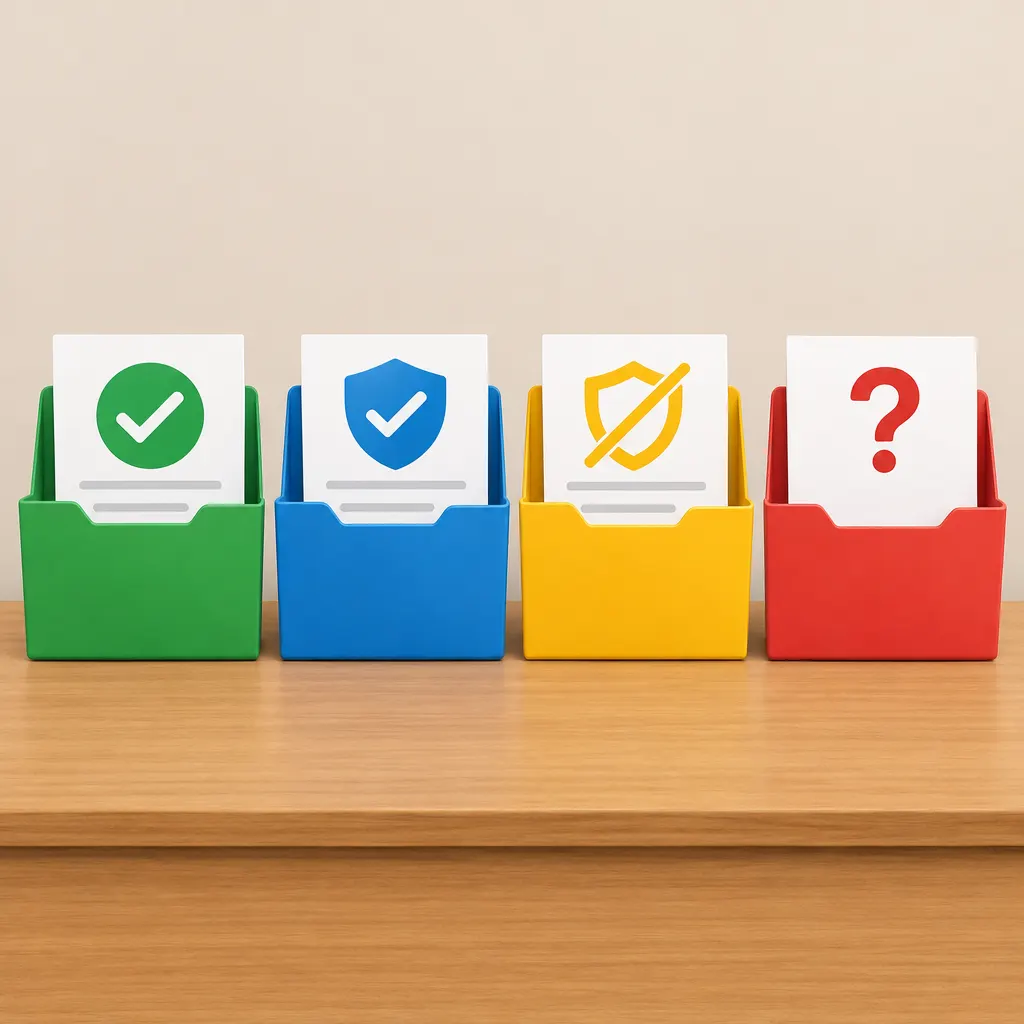
For each objection still pending, you could keep a short entry in your own notes: the objection, the documentation the seller has offered, the cure period end date and a status label. Suggested labels are "remedied", "insured over, accepted", "insured over, not accepted" and "open". For an open objection, the document that would settle it is the seller's documentation showing the objection remedied or insured over. Leave a field blank when neither the contract nor the seller's delivery answers it. If the only evidence is a defined term such as Existing Survey and you have not read the section it refers to, label the item "needs referenced section" and note that the full text of that section of the agreement would settle it. [SEC filing] [SEC filing]
Avoid filling gaps by analogy. Each agreement sets its own terms, and the rule that silence counts as termination comes from the shopping center agreement alone. Do not assume another agreement uses the same default, the same treatment of insurance or the same remedies. Where the language is missing or unclear, you can record the question and send it to counsel for the transaction instead of entering a guess. [SEC filing]
Limitations of these sources
Both sources are partial excerpts of filed agreements. The West Broad Village text is mostly definitions and does not include the title or survey sections it cross-references. The shopping center text starts partway through the objection clause and stops at the start of a notwithstanding provision whose contents are not shown, so later language in that agreement could affect the options described above. Neither excerpt says how an offering memorandum describes title or survey matters. Nothing here is a legal interpretation of either contract. [SEC filing] [SEC filing]
Sources and scope
- SEC filing, checked 2026-11-20
- SEC filing, checked 2026-11-20
Check any AI answer against the original PDF. The process described here is not a guarantee of accuracy or an investment recommendation.
Create an account, upload one offering memorandum PDF, and review the structured deal record plus document chat. Continue on CRE Pipeline Monthly when you process a second document. Details on Pricing and Docs.
Analyze your first OM free